
CALL (516) 759-3000
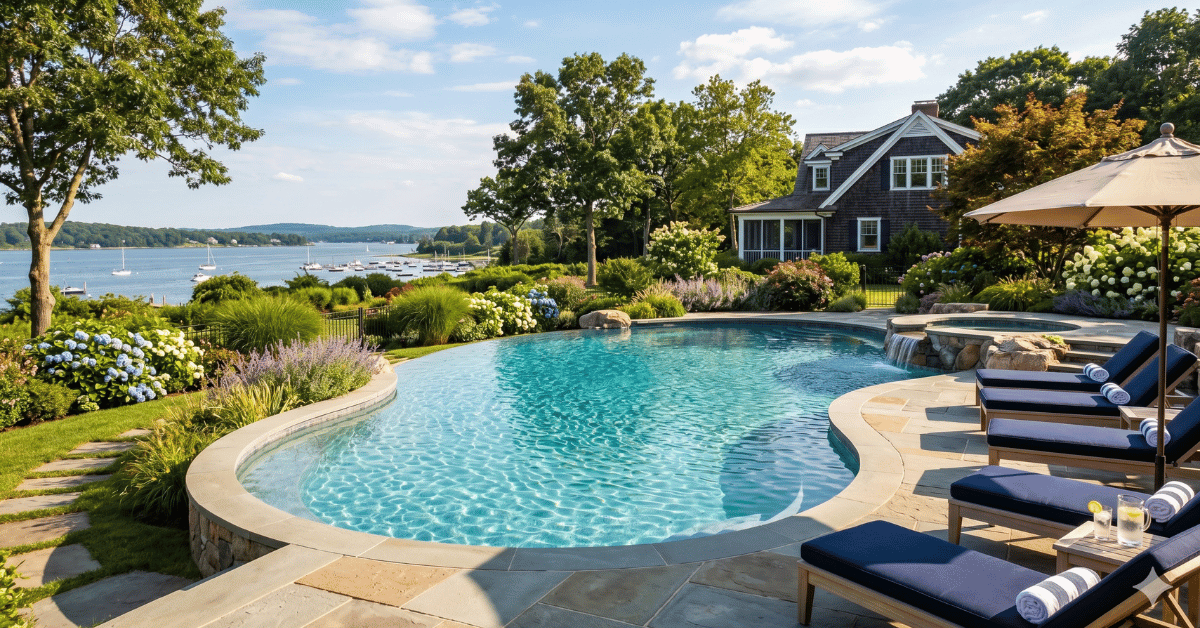
Pools throughout Nassau and Suffolk rely on steady circulation, clean water, and properly functioning equipment. When a system works well, the difference is noticeable. When it doesn’t, frustration arrives fast. Pool pump repair Long Island services matter because the pump supports filtration, heating performance, sanitation efficiency, and overall water clarity. Without a responsive repair strategy, energy consumption rises, algae can appear, and equipment lifespan shortens. This article explains what homeowners should know, how to recognize problems early, what repair work typically involves, and why experienced support helps avoid unnecessary replacement costs.
If you suspect damage or inefficiency, or your equipment is showing early indicators of failure, Gold Coast Swimming Pools can help. We specialize in maintenance, repair, and renovation for residential and commercial pools. Customers can reach our team online or by phone at (516) 759-3000 to schedule service or request assessment.
Understanding Why Pool Pump Repair Long Island Services Matter
Expanding service demand in Long Island reflects two things: more homeowners are choosing to invest in year-round usability, and aging systems require consistent upkeep. Pumps rarely fail overnight; instead, performance tends to decline gradually. Slight drops in pressure, louder operation, or reduced water turnover are early signs. Addressing these issues promptly prevents secondary complications such as filter strain or motor overheating.
Local conditions play a role as well. Long Island pools experience seasonal temperature shifts, longer periods of inactivity during colder months, and fluctuations in salt and chemical levels depending on system type. These variables place steady wear on internal components. With scheduled inspection and repair, homeowners extend equipment life and stabilize operating costs.
Routine service helps:
- Protect internal motor components
- Maintain steady water circulation
- Keep electricity usage efficient
- Reduce unexpected downtime
- Prevent full system replacement
Homeowners often ask how long a pump should last. There is no fixed answer, but many function between 8–12 years when maintained properly. Repairs during that time frame are common and usually worthwhile compared to premature replacement.
Key Indicators You May Need Pool Pump Repair Long Island
Before a full breakdown, equipment usually provides hints. Ignoring them rarely saves money in the long term. Paying attention early allows for targeted repairs rather than full system rebuilds later.
Here are signals worth evaluating:
- Unusual noise or vibration during operation
- Reduced suction or visibly slow circulation
- Air bubbles returning to the pool through returns
- Pump fails to prime consistently
- Visible leaks around housing or seals
- Frequent tripping of electrical breakers
- Burning odor or excessive heat from the motor
A single symptom may not indicate complete failure, but multiple signs usually suggest mechanical wear or internal blockages. Local service technicians diagnose quickly by pressure reading, amperage draw, impeller condition, and seal integrity.
Homeowners sometimes attempt temporary tightening or lubrication, but modern pumps involve sensitive tolerances and water-electricity interaction. Incorrect adjustments can escalate damage. For reliable pool pump repair Long Island results, working with trained professionals remains the most stable solution.

Types of Pump Issues Seen Often in Long Island
Different systems fail in different ways, but a few patterns repeat. Coastal moisture, temperature changes, and inconsistent chlorine balance contribute to everyday deterioration. This section outlines common failures and what they involve.
Internal components wear faster when water chemistry fluctuates, especially in saltwater pools. Bearings may grind, electrical windings weaken, or impellers clog from debris. These are mechanical processes and, with the right parts, repair is usually straightforward.
Homeowners should understand each issue not as an emergency but as an actionable problem. The earlier it’s managed, the less disruptive it becomes.
Motor Failures
Motor problems account for a high percentage of service calls. Windings can burn out, bearings degrade with use, or excessive load causes overheating. Over time, motors lose torque efficiency. Instead of pushing water smoothly, they struggle, draw extra current, and eventually shut down.
Repair usually includes bearing replacement, capacitor installation, or motor rebuild. In severe cases, replacement is recommended. Technicians evaluate cost difference between rebuild and upgrade; if repair approaches the cost of a new energy-efficient model, upgrading may provide better long-term value.
Leaking Pump Housing and Seals
A leak may appear minor, but a worn gasket or shaft seal creates water intrusion around electrical components. Left unresolved, moisture accelerates corrosion. A routine seal replacement can prevent extensive motor damage.
Seal repair includes disassembly, cleaning, O-ring fitting, and proper re-lubrication. Technicians also inspect housing for micro-cracks that can expand seasonally. Even small fractures affect prime and suction capability.
Impeller Blockage
Leaves, sand, hair, and fine debris accumulate behind the basket and restrict impeller rotation. Resulting pressure drop often mimics major failure even though it’s a simple mechanical obstruction. Cleaning and balancing restore performance quickly.
When blockages occur repeatedly, attention to filtration and skimmer schedule helps reduce future occurrence. Upgrading basket capacity or checking suction lines for partial blockage may also help. Pool pump repair Long Island services frequently include line inspection as part of a maintenance call.
Electrical Problems
Faulty wiring, corrosion at terminals, or weak capacitors lead to intermittent startup failure. Power fluctuation is common in coastal regions, especially during storm-prone seasons. Protection systems such as surge guards reduce risk, but wiring still requires periodic evaluation.
Electrical diagnosis should only be performed by experienced technicians to avoid shock risk. Measuring voltage, resistance, and continuity helps identify failing components before catastrophic shorting occurs.
Why Local Expertise Matters for Pool Pump Repair Long Island
Experience in general pump service is valuable, but experience with Long Island pools provides added accuracy. Local professionals understand salt exposure, winterizing patterns, typical equipment models used in surrounding neighborhoods, and geographic challenges like fluctuating groundwater levels. This knowledge shortens repair time and improves part selection.
Service providers familiar with regional code and equipment standards ensure compliance and safe installation. Homeowners benefit from technicians who already know product availability, supplier reliability, and replacement part compatibility.
In addition, seasonal maintenance schedules differ between inland and coastal areas. Long Island pools run hardest during summer, shut down for winter, and require opening strategies that minimize pump stress during first startup of the year. Professional care during spring opening often prevents mid-season pump failure.
What to Expect During Professional Repair
A thorough repair visit includes several steps. Technicians evaluate performance using measurement tools and visual inspection. Instead of guessing, they rely on pressure readings, temperature profile, and component wear indicators.
A standard process might look like this:
- Review symptoms and questions with homeowner
- Test priming capability and monitor startup behavior
- Inspect lid, housing, seals, and O-rings
- Remove basket and check for obstructions
- Examine impeller, diffuser, and shaft
- Measure motor amperage and temperature levels
- Evaluate capacitor and electrical connectivity
- Provide repair options and estimated cost
After repair completion, technicians run the pump under load, verify flow rate, and confirm there are no leaks. The goal is reliable operation, not temporary noise reduction or cosmetic improvement.
Is Repair Always Better Than Replacement?
Repair is often the cost-effective route, especially when equipment is mid-life and only a single component fails. However, when multiple issues appear together—leaks, motor heat, and electrical draw, for example—upgrading sometimes delivers better value.
Consider replacement if:
- The motor exceeds typical lifespan and repairs are recurring
- Energy consumption is significantly higher than modern standards
- Housing shows cracking beyond seal replacement
- Salt system corrosion is advanced
- Desired runtime and performance requirements have changed
Modern pumps use variable-speed technology that reduces energy usage substantially. Even so, many homeowners find repair the most practical immediate option unless equipment degradation is advanced.
For balanced guidance, contact Gold Coast Swimming Pools for pool pump repair Long Island evaluation. We provide direct recommendations based on condition rather than generic replacement suggestion. Visit our contact page or call (516) 759-3000 for scheduling.
Maintenance Practices to Prevent Future Repairs
Consistent small actions extend pump life. Homeowners who implement these routines see fewer service calls and improved operating cost efficiency.
Helpful practices include:
- Maintain water chemistry within recommended range
- Clean skimmer and pump baskets weekly during peak use
- Inspect lid seals for wear or cracking
- Schedule seasonal startup and shutdown service
- Avoid running pump dry or with low water level
- Monitor pressure gauge for unusual fluctuation
- Keep equipment pad free from debris and standing water
These steps support pump longevity and promote clear water without excessive chemical expenditure.
Cost Expectations for Pool Pump Repair Long Island
Pricing varies based on part availability, labor hours, pump model, and extent of component damage. Minor repairs such as seal replacement fall on the lower spectrum. Motor replacement, rewiring, or housing rebuild may land higher. A technician typically provides cost range after inspection rather than estimating blindly.
Factors influencing cost:
- Age and condition of pump
- Type of pump (single-speed, dual-speed, variable-speed)
- Brand-specific parts and compatibility
- Severity of leak or motor wear
- Electrical rewiring needs
- Urgency or peak-season scheduling
Although homeowners sometimes try repair themselves, incorrect installation of seals or bearings results in repeat failure. Professional repair avoids those setbacks and supports safe operation.
Frequently Asked Questions
How long should a pool pump last?
Many last 8–12 years depending on maintenance, usage, and environmental factors.
Can repair be done during peak season?
Yes. Scheduling quickly is recommended to avoid extended downtime.
Is noisy operation always a sign of failure?
Often it indicates bearing wear, cavitation, or debris. Inspection confirms cause.
What type of pump is best for replacement?
Variable-speed models provide efficient runtime and adaptable performance.
Do saltwater pools wear pumps faster?
Salt accelerates corrosion if seals are worn. With maintenance, lifespan remains comparable.
Final Thoughts
Pool pump repair Long Island services support comfort, safety, and equipment durability. By addressing issues early, homeowners reduce cost and maintain clear swimming conditions all season long. Gold Coast Swimming Pools works with residential and commercial properties to provide targeted diagnostics, repair, and renovation services. If your pump shows signs of decline, our team can help identify cause, implement repairs, and stabilize system performance. Contact our specialists online or call (516) 759-3000 to schedule service or request consultation.
Make pool pump repair Long Island the priority now, so your system stays running smoothly later. It pays to think ahead—because keeping water moving keeps summer enjoyable.