
CALL (516) 759-3000
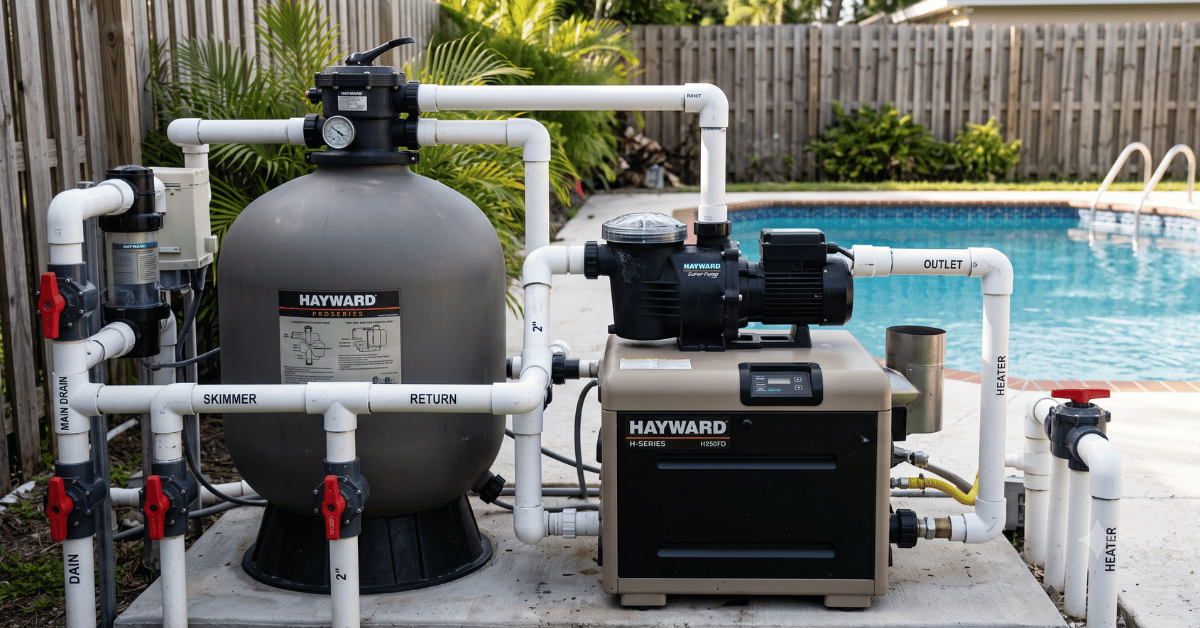
A swimming pool should be a place to relax, entertain, and enjoy time with family and friends. However, every pool system eventually reaches a point where repairs become more expensive than replacing aging equipment. Understanding pool equipment replacement cost before problems develop can help homeowners make informed decisions, avoid unexpected breakdowns, and protect their investment.
If you’re wondering whether it’s time to replace your pool pump, filter, heater, automation system, or other equipment, Gold Coast Swimming Pools is here to help. Our experienced team specializes in swimming pool maintenance, repairs, equipment upgrades, and complete pool renovations. Whether you need a simple replacement or a full equipment pad upgrade, we’re happy to answer your questions. Contact Gold Coast Swimming Pools online through our Contact page or call (516) 759-3000 to discuss your pool equipment replacement cost and available options.
Why Pool Equipment Eventually Needs Replacement
Every piece of pool equipment has a lifespan. Even with regular maintenance, motors wear out, electronic components fail, seals begin leaking, and efficiency decreases over time.
Many homeowners assume repairing older equipment is always the least expensive option. Sometimes that’s true. Other times, repeated repairs quickly exceed the cost of installing newer, more energy-efficient equipment.
Replacing equipment before a complete failure can also prevent damage to other parts of the circulation system. A failing pump, for example, can reduce water flow and place unnecessary stress on heaters, filters, and plumbing.
When evaluating pool equipment replacement cost, it’s important to consider more than the price of the equipment itself. Energy savings, reliability, warranty coverage, and reduced maintenance often provide long-term value.
Average Lifespans of Common Pool Equipment
Although every pool is different, most equipment follows fairly consistent replacement timelines.
- Pool pump: 8–12 years
- Pool filter: 10–15 years
- Pool heater: 8–12 years
- Salt chlorine generator cell: 3–7 years
- Automation system: 10–15 years
- Pool lights: 5–10 years
- Valves and plumbing components: Varies depending on usage and environment
Proper maintenance can extend these timeframes, but age alone eventually affects performance.
What Affects Pool Equipment Replacement Cost?
No two pools have identical equipment, which means replacement costs vary significantly.
Several factors determine the final investment.
Type of Equipment Being Replaced
Replacing a pump generally costs less than replacing an entire automation system or installing a new pool heater.
For example:
- Variable-speed pumps cost more upfront than single-speed pumps but often reduce monthly electric bills.
- Cartridge filters and DE filters have different pricing.
- Gas heaters typically cost differently than heat pumps.
- Automation systems range from basic controls to complete smart-home integration.
Equipment Size
Larger pools require larger equipment.
A small residential pool may need a modest circulation system, while a large pool with water features, spas, or multiple pumps requires higher-capacity equipment.
Choosing equipment that’s properly sized is critical. Oversized or undersized equipment can reduce efficiency and shorten its lifespan.
Brand Selection
Several manufacturers produce high-quality pool equipment.
While premium brands often have higher purchase prices, they may offer:
- Longer warranties
- Better energy efficiency
- Improved reliability
- Easier access to replacement parts
Working with an experienced pool professional helps ensure compatibility between existing and new equipment.
Installation Complexity
Equipment replacement isn’t always a simple swap.
Additional labor may be required if:
- Plumbing needs modification
- Electrical upgrades are necessary
- Equipment pads require relocation
- Local building codes have changed
- Automation systems need programming
Each of these factors influences the overall pool equipment replacement cost.
Typical Pool Equipment Replacement Cost by Equipment Type
Homeowners often ask what they should expect to spend when replacing pool equipment. While exact pricing depends on the pool, the following ranges provide a realistic starting point.
Pool Pump Replacement
Variable-speed pumps have become the preferred choice because they consume significantly less electricity than older single-speed models.
Typical installed cost:
- Approximately $1,200–$2,500+
Higher-end models with automation integration may exceed this range.
Pool Filter Replacement
Filters remove dirt, debris, and contaminants from pool water.
Replacement costs depend on the filter type:
- Cartridge filters
- Sand filters
- DE filters
Typical installed cost:
- Approximately $900–$2,500+
Pool Heater Replacement
Pool heaters extend the swimming season while improving comfort.
Installed cost typically ranges between:
- $3,500–$8,000+
Factors include fuel type, BTU rating, plumbing changes, and electrical work.
Salt Chlorine Generator Replacement
Many homeowners replace only the salt cell rather than the complete system.
Typical cost:
- Salt cell only: $700–$1,500+
- Complete system replacement: $1,500–$3,000+
Automation System Replacement
Modern automation systems allow homeowners to control pumps, lighting, heating, water features, and schedules from a smartphone.
Typical installed cost:
- $2,500–$8,000+
The complexity of the system greatly affects pricing.
Signs Your Pool Equipment Should Be Replaced
Waiting until equipment completely fails can lead to emergency repairs and unexpected downtime.
Fortunately, most equipment provides warning signs before reaching the end of its life.
Your Energy Bills Continue Increasing
Older pumps often consume far more electricity than today’s variable-speed models.
If your utility bills continue climbing despite normal pool usage, outdated equipment could be the reason.
Frequent Repairs
One repair isn’t necessarily a concern.
Multiple repairs within a short period often indicate replacement is becoming the more economical option.
Strange Noises
Grinding, squealing, rattling, or excessive vibration should never be ignored.
These sounds frequently point to worn bearings, failing motors, or internal damage.
Rust or Corrosion
Corrosion around heaters, motors, plumbing fittings, or electrical connections can shorten equipment life and eventually cause failure.
Water Quality Problems
Cloudy water, inconsistent circulation, or poor filtration may indicate aging equipment that’s no longer operating efficiently.
Is Repair or Replacement the Better Choice?
This question comes up during almost every service visit.
The answer depends on several factors.
Consider Equipment Age
A relatively new piece of equipment may justify repairs.
Equipment approaching or exceeding its expected lifespan often benefits from replacement instead.
Compare Repair Costs
A helpful guideline many professionals use is straightforward.
If repair costs approach roughly half the replacement cost, replacing the equipment may provide better long-term value.
Evaluate Energy Savings
Modern equipment often pays for itself over time through lower operating costs.
Variable-speed pumps are one of the best examples. Although the initial investment is higher, energy savings can be substantial over several seasons.
How Preventive Maintenance Helps Reduce Pool Equipment Replacement Cost
Routine maintenance cannot prevent aging, but it can delay premature failure.
Simple maintenance practices include:
- Cleaning filters regularly
- Maintaining proper water chemistry
- Inspecting plumbing connections
- Lubricating O-rings
- Checking pump baskets
- Monitoring pressure gauges
- Scheduling annual equipment inspections
Preventive service also helps identify small issues before they become major repairs.
Should You Replace Multiple Components at Once?
Sometimes replacing several components together makes financial sense.
For example, replacing an outdated pump while installing new automation may reduce labor costs compared to performing each project separately.
Likewise, equipment installed at the same time often reaches the end of its lifespan around the same period.
Replacing everything during one project may:
- Reduce future labor costs
- Improve system efficiency
- Simplify warranty coverage
- Minimize future service interruptions
A qualified pool professional can help determine the most practical approach.
Questions to Ask Before Replacing Pool Equipment
Choosing replacement equipment isn’t simply about price.
Ask questions such as:
- Is the equipment properly sized for my pool?
- What warranty is included?
- Will this reduce operating costs?
- Is it compatible with my existing equipment?
- Can it be upgraded in the future?
- Are replacement parts readily available?
- Does local code require additional upgrades?
The answers can significantly affect your overall investment.
Why Professional Installation Matters
Pool equipment combines plumbing, electrical systems, water circulation, and safety requirements.
Improper installation can create ongoing problems, including:
- Reduced efficiency
- Equipment damage
- Leaks
- Poor circulation
- Electrical hazards
- Shortened equipment lifespan
Professional installation ensures every component works together as intended.
Gold Coast Swimming Pools has decades of experience helping homeowners choose equipment that fits both their pool and their budget.
Pool Equipment Replacement Cost and Long-Term Value
Looking only at the purchase price rarely tells the full story.
New equipment often provides:
- Lower utility costs
- Better water circulation
- Quieter operation
- Improved reliability
- Reduced maintenance
- Longer warranties
- Better overall pool performance
When viewed over several years, replacing aging equipment often becomes a worthwhile investment rather than simply another expense.
Frequently Asked Questions
How much does pool equipment replacement cost?
The total cost depends on the equipment being replaced, installation requirements, equipment size, and selected manufacturer. A simple pump replacement costs considerably less than replacing an entire equipment pad with automation and heating.
How long should pool equipment last?
Most pumps last 8 to 12 years, filters 10 to 15 years, heaters around 8 to 12 years, and automation systems approximately 10 to 15 years with proper maintenance.
Should I repair my pool equipment or replace it?
If the equipment is older, requires frequent repairs, or has become inefficient, replacement often provides better long-term value.
Can replacing pool equipment lower energy bills?
Yes. Variable-speed pumps and modern equipment are significantly more energy efficient than many older systems.
Does replacing equipment increase home value?
Updated pool equipment can improve buyer confidence by reducing concerns about future maintenance and operating costs.
Who should install replacement pool equipment?
Always work with an experienced pool professional who understands plumbing, electrical requirements, equipment sizing, and local building codes.
Ready to Learn More About Pool Equipment Replacement Cost?
Planning ahead makes pool ownership easier. Whether your equipment has stopped working or you’re considering an upgrade before problems arise, understanding your pool equipment replacement cost allows you to budget wisely and avoid unnecessary surprises.
Gold Coast Swimming Pools specializes in swimming pool maintenance, repairs, equipment replacement, and complete pool renovations throughout Long Island. Our knowledgeable team can evaluate your existing equipment, explain your options, and recommend solutions that match your needs and budget.
Visit our contact page to request an estimate or call (516) 759-3000 to speak with our team today. When it comes to pool equipment replacement cost, the right investment today helps keep tomorrow’s pool problems from making a splash.